
The Office for National Statistics (ONS) shows that 4.2 million people, 8% of the population of England and Wales, don’t speak English as a first language. This can pose challenges to access to the National Health Service (NHS) for non-English-speaking patients and impact communication and quality of care.
Expert healthcare translation is key to ensure that patients and their relatives can clearly understand information generated by the NHS.
Read our blog for more information on how healthcare translation can help break down barriers for NHS patients.
To ensure universal access to healthcare services, NHS information must be available for non-English speakers. This includes, but is not restricted to:
Increase understanding: accurate patient information available in the patient’s mother-tongue can help reduce any confusion or miscommunication due to an over reliance on relatives, who may not fully understand the intricacies and consequences of the healthcare treatment.
Build patient trust: having clear communication in a language they understand encourages patients to follow medical advice, use services and reduce belief in misinformation.
Support legal obligations: in line with The Equality Act 2010, the NHS should provide translation services to ensure patients fully understand their options and can give informed consent to any medical treatment.
Improve accessibility: remove language barriers to ensure equal access for all patients.
Our expert mother-tongue linguists and Project Managers deliver a wide range of healthcare translation services to Clinical Commissioning Groups and NHS Trusts. They use their experience in the healthcare sector to ensure patient communications are translated accurately, enabling you to engage with and educate patients to support better medical outcomes.
NHS translation services involve the professional translation of healthcare documents, patient information, medical records and public health materials into multiple languages to ensure clear communication between healthcare providers and patients who do not speak English as their first language. These services help the NHS deliver accessible care and comply with equality and accessibility regulations.
Translation services help ensure that patients understand medical instructions, treatment plans and healthcare information. Clear communication can improve patient safety, reduce the risk of misunderstandings and support inclusive healthcare delivery for diverse communities across the UK.
NHS translation services are commonly used for patient leaflets, consent forms, appointment letters, discharge instructions and public health campaigns. Accurate and authentic translation ensures that all patients can access essential healthcare information regardless of language.
Professional medical translators have specialist healthcare knowledge and follow strict quality assurance processes. This may include terminology research, proofreading by a second linguist and adherence to medical translation standards to ensure accuracy and clarity in sensitive healthcare information.
Yes. Professional translation providers handling NHS materials follow strict confidentiality protocols to protect patient information. Secure workflows, data protection policies and compliance with UK privacy regulations are typically implemented to safeguard sensitive healthcare data.
The NHS frequently requires translations in languages spoken by diverse communities across the UK, including Polish, Urdu, Arabic, Punjabi, Bengali and Romanian. The specific language needs depend on the patient demographics within a given region.
Delivery times depend on the length and complexity of the document, the language pair required and any specialist terminology involved. Many translation providers offer standard turnaround times along with expedited services for urgent healthcare communications.
By translating essential healthcare information into multiple languages, NHS translation services help ensure that patients from all backgrounds can understand their healthcare options and responsibilities. This supports equitable access to healthcare and improves patient engagement with medical services.
We are proud of our long-standing association with the Market Research Society and membership of language industry bodies, ATC (Association of Translation Companies) and ITI (Institute of Translation and Interpreting), abiding by their strict codes of conduct and demonstrating our commitment to best practice for the benefit of our clients.



Over the past three decades, we have curated a community of expert translators who can:
Your dedicated and experienced Project Manager will partner with you to:
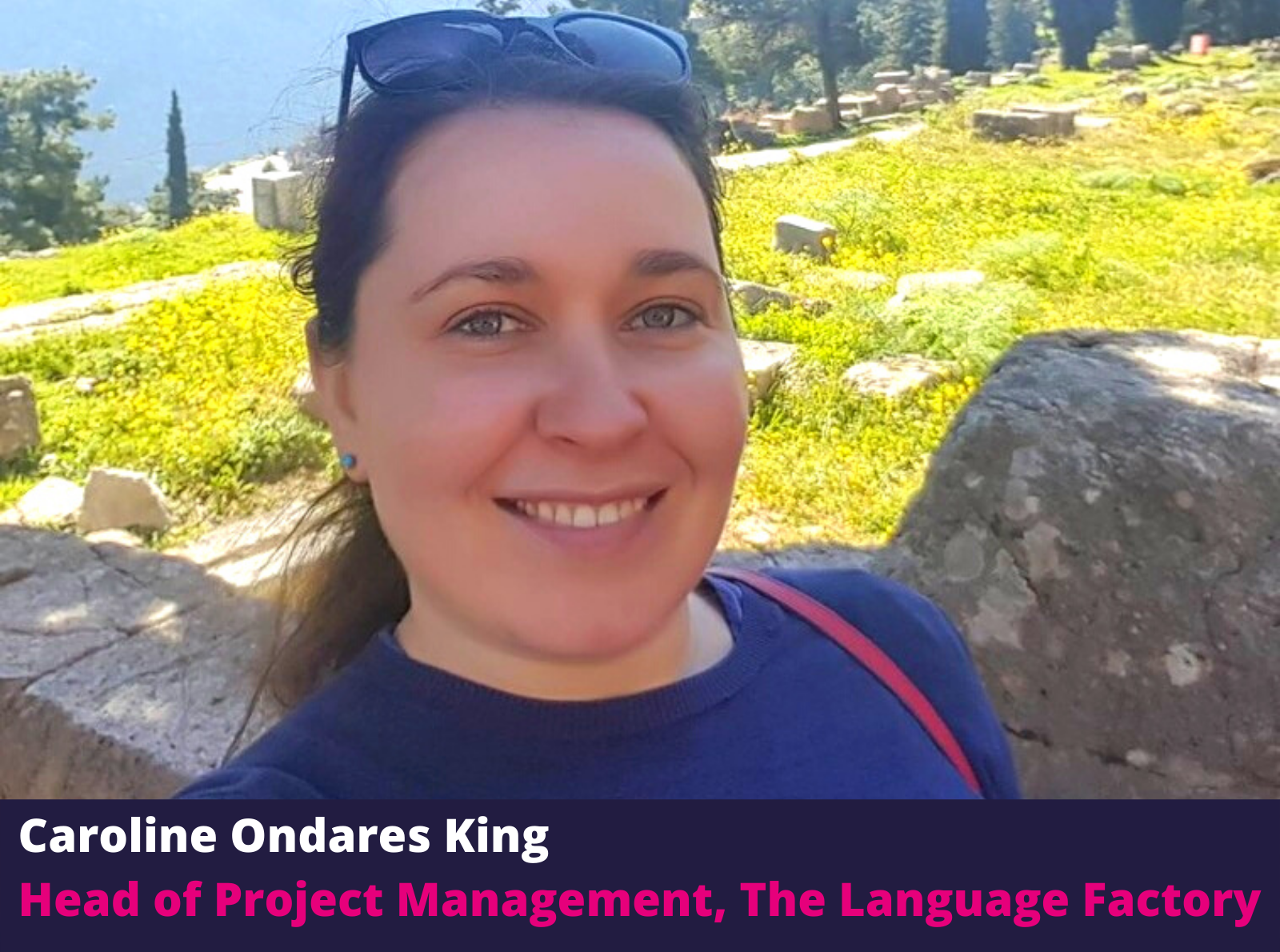
Meet our expert project management team.
If you’re looking for support with NHS translation or any other language-related service, click the link below to contact our expert team.
Get insights, information and offers from The Language Factory.