
By Katie Reed | January 29, 2026 | Blog Translation Tips
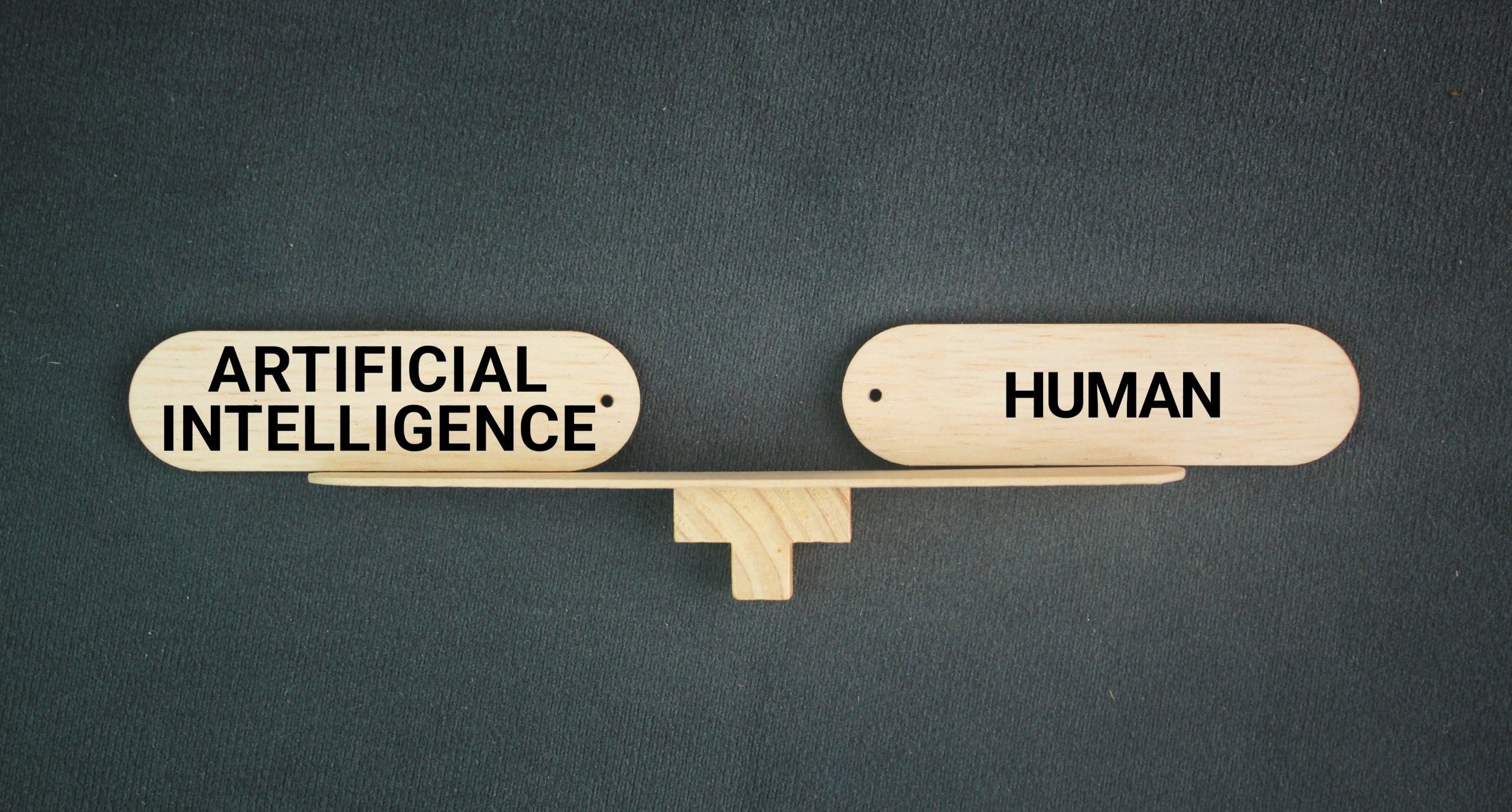
Translation is crucial for international business growth. As AI tools become more sophisticated, the question is: can machine translation replace human translators? The brief answer is no. While technology is a valuable tool, it can’t replicate the linguistic expertise, cultural insight and in-depth understanding that expert human translators bring to every project.
In this blog, we examine why human translation remains the gold standard for communicating clearly and engaging with diverse audiences.
Professional human translators do more than just just swap words between languages – they understand the cultural nuances and linguistic subtleties that shape the meaning of those words. They ensure that your translation includes both the tone and humour of the original content and ensures references to specific local customs will resonate with your target audience.
Language is far more than a collection of words – it’s an intricate tapestry of emotions, subtext and layered meanings. Experienced human translators recognise and navigate these complexities to ensure that each message is communicated with precision and clarity.
Machine translation works differently by relying on pattern recognition. While it can handle straightforward content well enough, it struggles with complex material that needs contextual understanding. Subtle shifts in tone, implied meanings or nuances in context can easily slip away when translation relies on algorithms with no human insight.
Most professional translators specialise in particular industries and develop an in-depth knowledge of sector-specific terminology, jargon and technical language. This expertise is invaluable for sectors where precision is crucial, such as legal and medical documentation, technical manuals and financial reports. It ensures all specialised terms are interpreted correctly and reduces the risk of misunderstandings or compliance issues. Even advanced machine translation tools don’t have this level of industry-specific knowledge, particularly for new and fast-moving technologies. They may mishandle acronyms, technical terms or words with specialised meanings which can lead to confusion for the target audience. Similarly challenging for machine translation are creative texts, carefully crafted to invoke feelings, emotions and reactions, where the wrong choice of word can change the outcome entirely.
In today’s world, confidentiality is no longer just the domain of international business. Human translators work within strict professional codes of conduct, usually including confidentiality agreements to protect sensitive information and ensure data remains secure. However, machine translation systems, especially free or cloud-based services, can present a risk to data security. If source materials and translations are stored or shared without the knowledge of the user, it presents a serious risk to privacy and data protection.
The environmental cost of machine translation is sometimes overlooked. If we look at AI translation tools, they come from an energy and resource-intensive process based on large data centres that use enormous amounts of electricity. Human translators, on the other hand, most often freelance and home-based, have a much lower energy consumption, usually limited to a computer and an internet connection. For businesses focusing on sustainability, the hidden energy costs of AI translation should be looked at alongside other perceived benefits.
TLF combines over 30 years of specialist translation experience with a network of more than 1,000 native-speaking (human!) translators. They are supported by a team of dedicated (human!) Project Managers who ensure quality, accuracy and cultural relevance in every project.
Talk to the TLF team about how we can support you with your next translation project.
Get insights, information and offers from The Language Factory.