
The global petcare market is estimated to be worth nearly $300 billion in 2026*, due in no small part to Covid-era work-from-home habits. As research and development of new therapies for previously untreated or untreatable condition grows, and pet insurance uptake increases, it is vital to understand what pet owners and vets value when it comes to looking after their furry friends. To do this globally, accurate and culturally-authentic translation is key.
Whether you’re conducting market research among pet owners, veterinary professionals or even farmers, specialist veterinary market research translation is crucial to ensure your message is clear for every audience, whatever the language.
At The Language Factory, our mother-tongue linguists and specialist Project Managers provide an ISO-compliant translation and revision service backed by proven in-house quality processes that helps you launch your project on time and with complete confidence. We draw on our over 30 years of experience to provide high-quality accurate and culturally-sensitive translations.
Veterinary market research translation involves translating research materials relating to animal health, veterinary products and petcare into different languages. This can include surveys, questionnaires, focus group discussions, interview transcripts and product concepts. Specialist translation helps researchers communicate clearly with veterinary professionals, pet owners and livestock farmers across international markets.
Specialist translation helps ensure that research questions, product descriptions and technical terminology are communicated accurately across languages. Veterinary professionals, pet owners and livestock farmers may use terminology differently, so adapting the wording to each audience is essential. Accurate, culturally-appropriate translations can help researchers collect meaningful responses and make more informed decisions about international markets.
Veterinary market research translation can cover online surveys, questionnaires, focus group discussions, interview transcripts, product profiles and treatment concepts. It can also include information about veterinary medicines, side effects, dosage options, administration methods and withdrawal periods. Online quality checking can help ensure that translated materials fit within the survey platform and will be viewed as intended by survey respondents.
Veterinary market research translations can help researchers engage with a range of audiences, including veterinary surgeons, other veterinary professionals, pet owners and livestock farmers. The language, terminology and tone can be adapted to suit each group, helping make research materials accessible and relevant to participants in different markets.
Accuracy starts with selecting a linguist who has relevant subject knowledge and experience. Specialist terminology, meaning, tone and consistency must be maintained throughout the translation. Proofreading and online quality checking can also identify potential issues before a survey goes live. TLF combines specialist linguists, dedicated project managers and in-house quality processes to support this approach.
Yes. Localisation adapts translated research materials to the language, cultural context and expectations of the intended audience. This may involve adjusting terminology, phrasing, examples and other content so that questions remain clear and relevant across different regions. For veterinary research, localisation can help ensure that surveys are appropriate for pet owners, veterinary professionals or farmers in each target market.
Yes. Veterinary market research surveys can be translated to accommodate dynamic content, such as pipe-ins that reuse questions for different animal species, respondent profiles, etc. Personalisation can also allow respondents to enter their pets’ names where the survey platform supports this functionality. These features should be considered during translation and testing to help maintain consistent wording and a smooth respondent experience.
Turnaround times depend on the volume of material, the language combinations, the technical complexity and the project requirements. TLF’s project managers work with clients to coordinate the appropriate linguists, manage quality checks and accommodate changing project timelines where possible. Sharing your deadlines, target languages and research materials at the outset helps the team assess the requirements and propose a suitable schedule.
We are proud of our long-standing association with the Market Research Society and our membership of language industry bodies, ATC (Association of Translation Companies) and ITI (Institute of Translation and Interpreting), and abide by their strict codes of conduct and demonstrating our commitment to best practice for the benefit of our clients.



Over the past three decades we have curated a community of best-in-class linguists, collectively they:

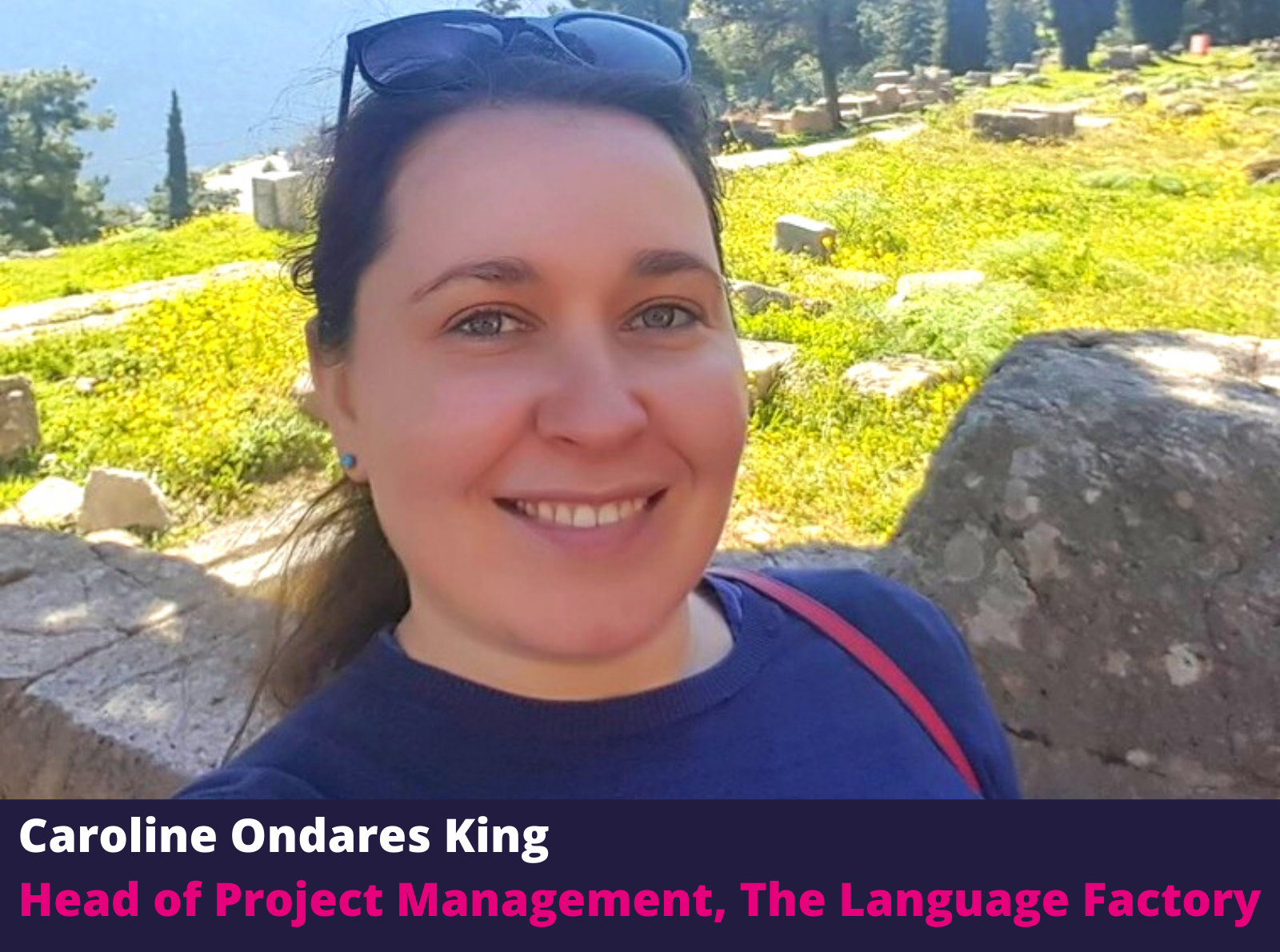
Your dedicated and experienced Project Manager will partner with you to:
Meet our expert project management team.
If you need support with veterinary market research translation or any other language-related service, click the link below to contact our expert team.
Get insights, information and offers from The Language Factory.